
Welcome to Fort Walla Walla Museum
Your exploration of Inland Northwest history starts here.
Located on the grounds of a 19th-century military fort, Fort Walla Walla Museum is your gateway to the history of the Inland Northwest.
From exhibits that guide you through early American contact in the Walla Walla Valley to the growth of agriculture, dig deep into the rich history of our region.
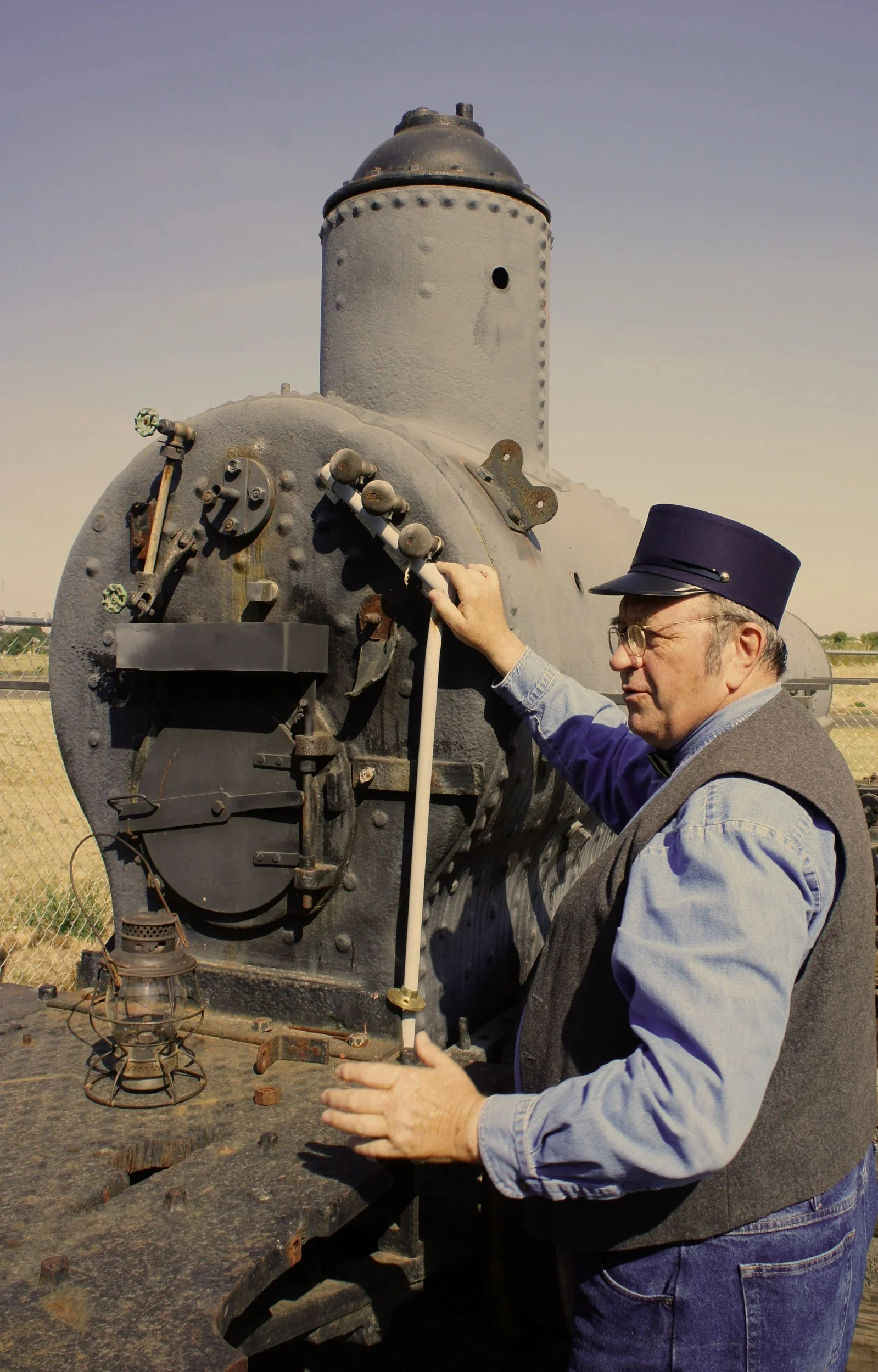
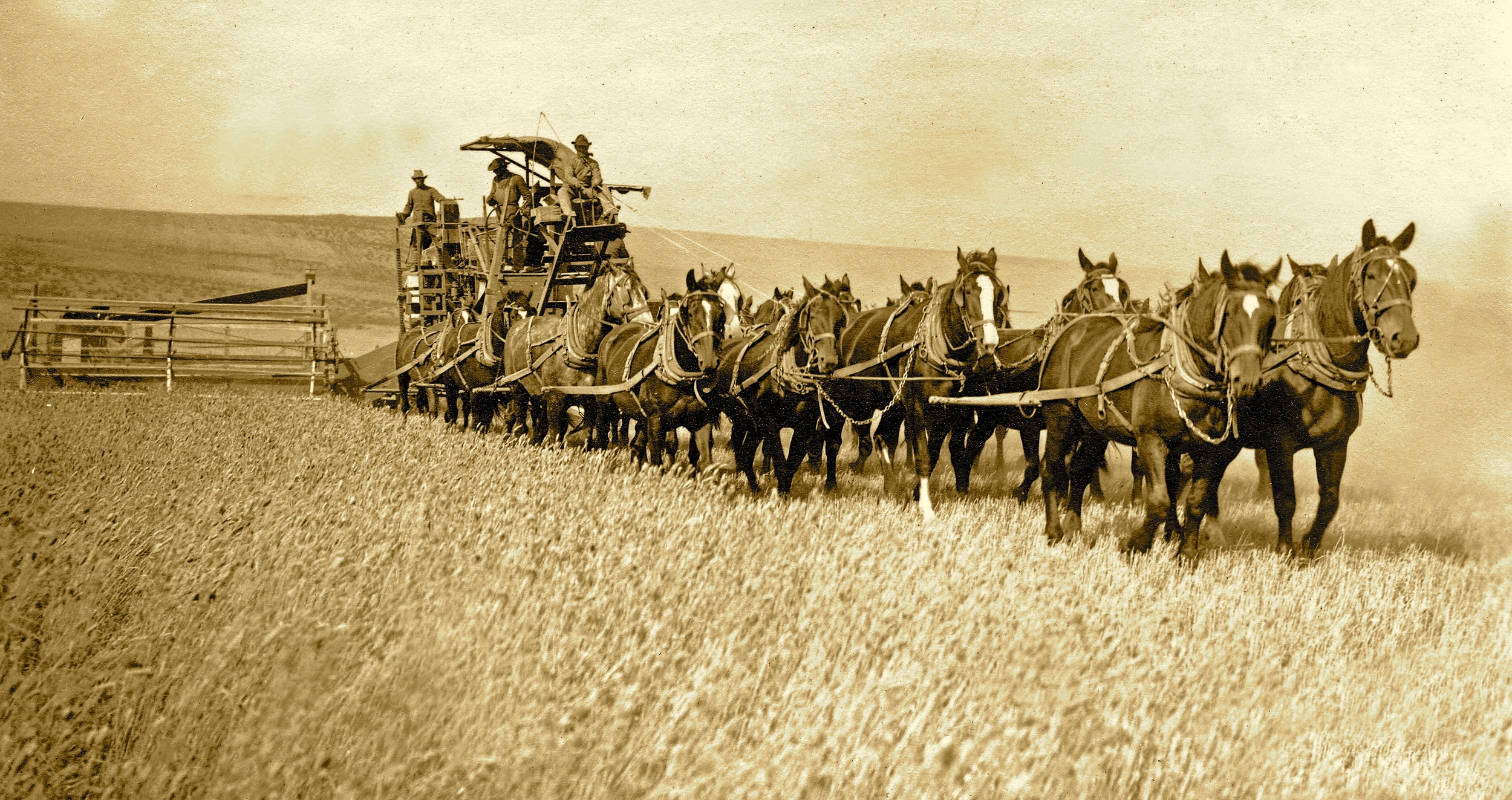
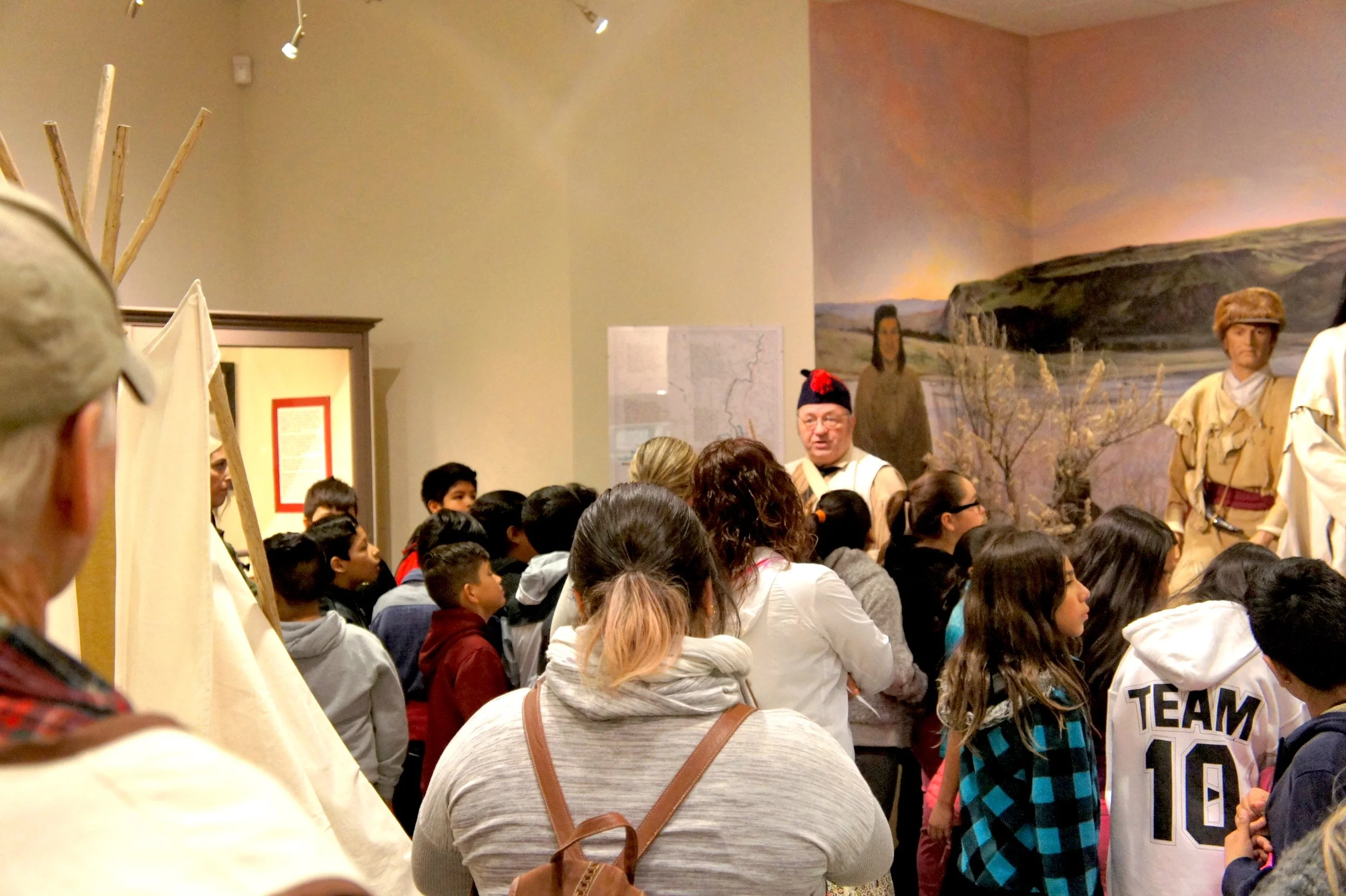
Starting at the Museum’s iconic stagecoach, you will discover stories from the Lewis & Clark expedition and meet Washington state’s oldest surviving locomotive. In our five sprawling exhibit halls, you can watch a team of 33 mules harvest a wheat field, and lock yourself in an old bucket cell from the Washington State Penitentiary.
Enjoy a stroll through historic Walla Walla in the museum’s Pioneer Village, featuring 17 buildings from the Walla Walla Valley, all staged with artifacts.
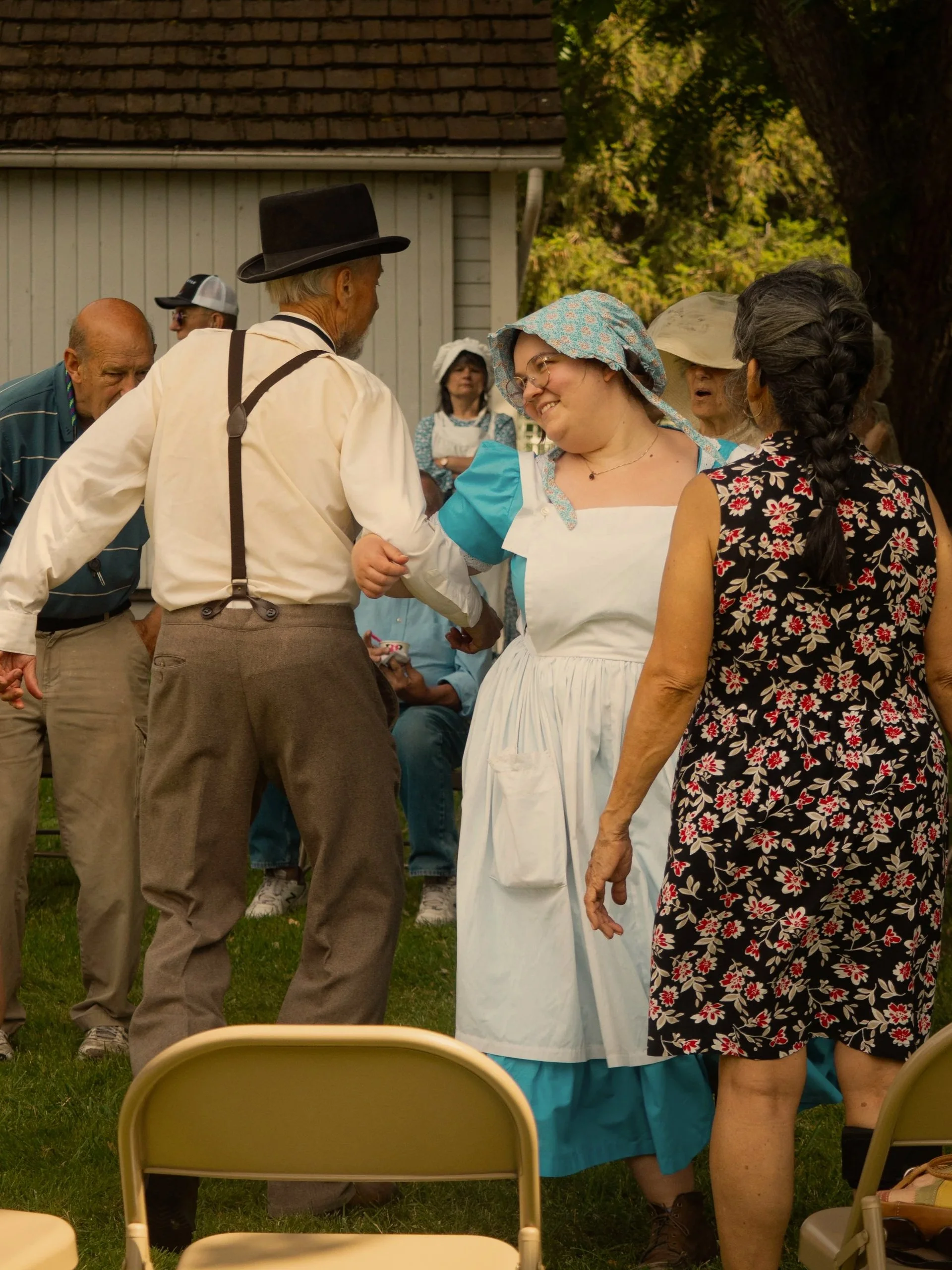
Travel through time as the museum’s audio tour guides you at your own pace, listen to oral histories of the families who settled here generations ago, and see how life has changed in the valley. Immerse yourself in history by taking in a Living History performance or learning something new during our monthly After-Hours presentations. Stop by the museum store to find out what’s new in the rotating exhibit gallery and learn about upcoming events.

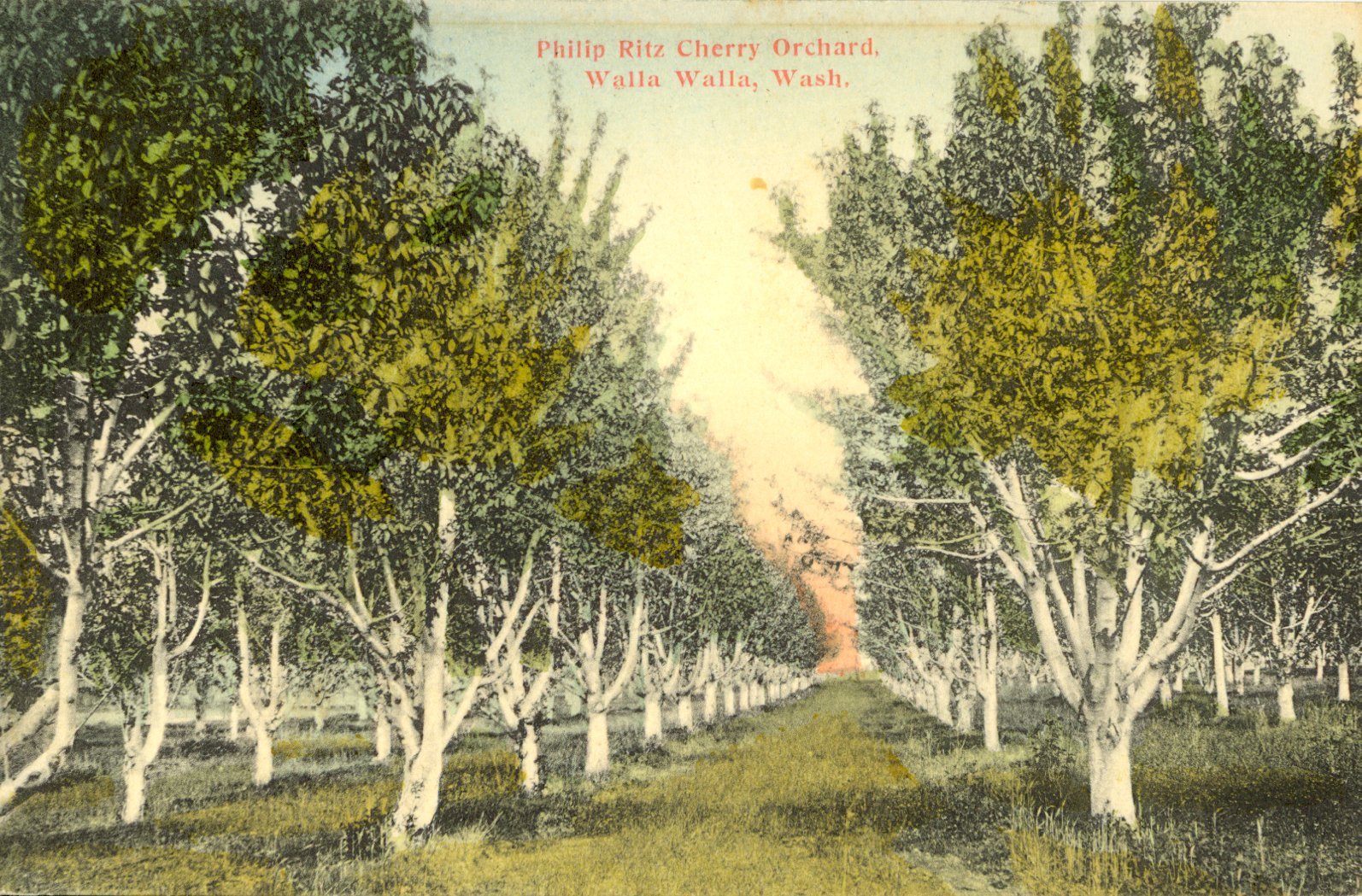
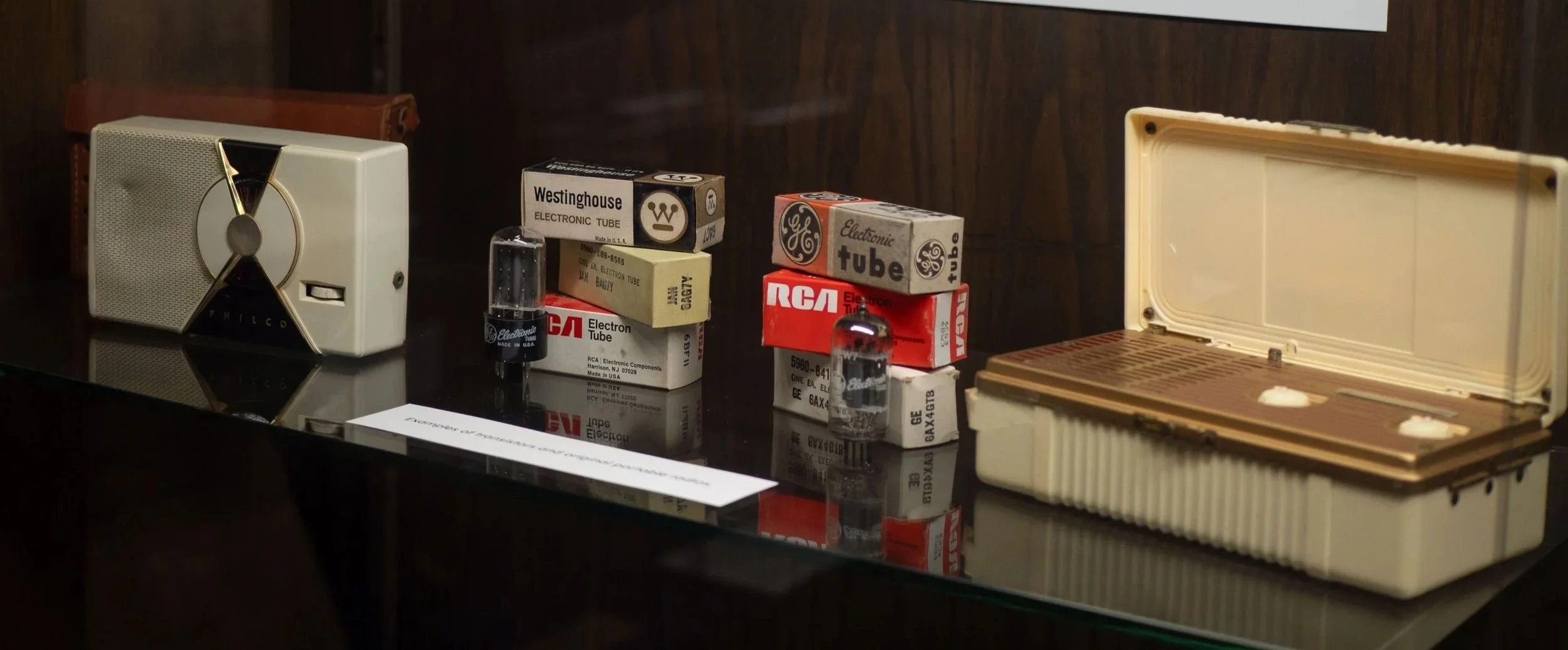
In celebration of the United States’ 250th anniversary, “From the Valley to the Nation” explores and profiles the contributions Walla Walla has made that reach national acclaim.
Fort Walla Walla Museum is proud to share local history on a national scale. Come take a closer look at technology developed in Walla Walla, the locally born-and-bred stars and scientists, our interactive historical map, and so much more!
From the Valley to the Nation

Fort Walla Walla Museum is excited to offer a new series of Heritage Skills classes to members and guests. These classes take hobbies and handicrafts out of history books and into the hands of participants, with skilled instructors demonstrating the techniques needed to keep these traditions alive.